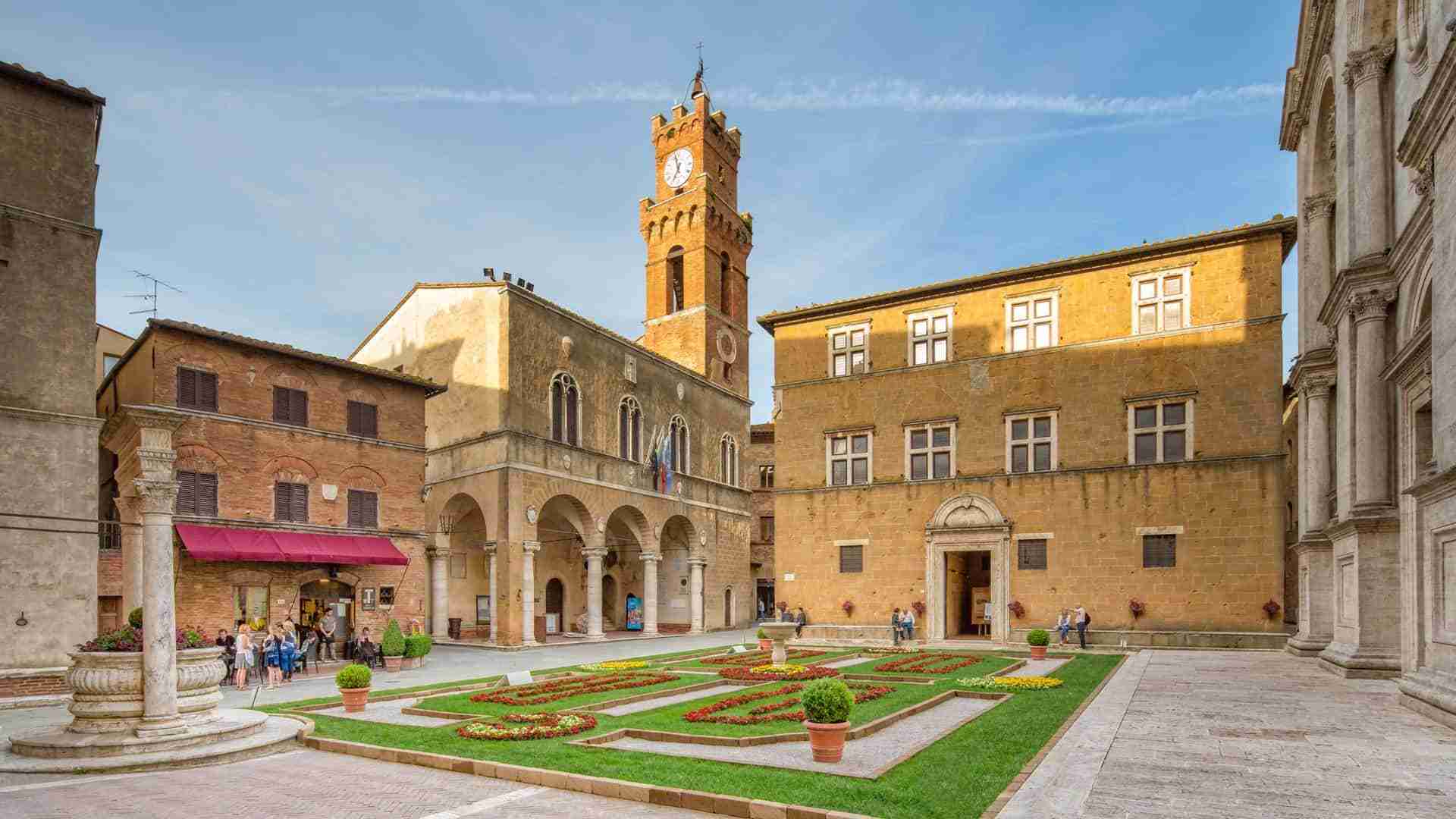
Pienza
20 min drive
Known for its Renaissance urban planning, this town serves as a central hub within the valley and offers views of the surrounding countryside.

Val d'Orcia sits roughly 110 kilometres south of Florence, in the Province of Siena — close enough for a single day, far enough that timing decides how the day feels. This how to get to val d'orcia from florence guide sets out the practical shape of the journey before the detailed route sections take over.
Quick answer
Val d'Orcia lies about 110 km south of Florence and is open around the clock — 00:00–23:59, every day of the week — with an entrance fee of 0 EUR, since it is a public region rather than a gated site. The recommended arrival window is 06:00–09:00, when rural roads are quiet and the light is best for photography.
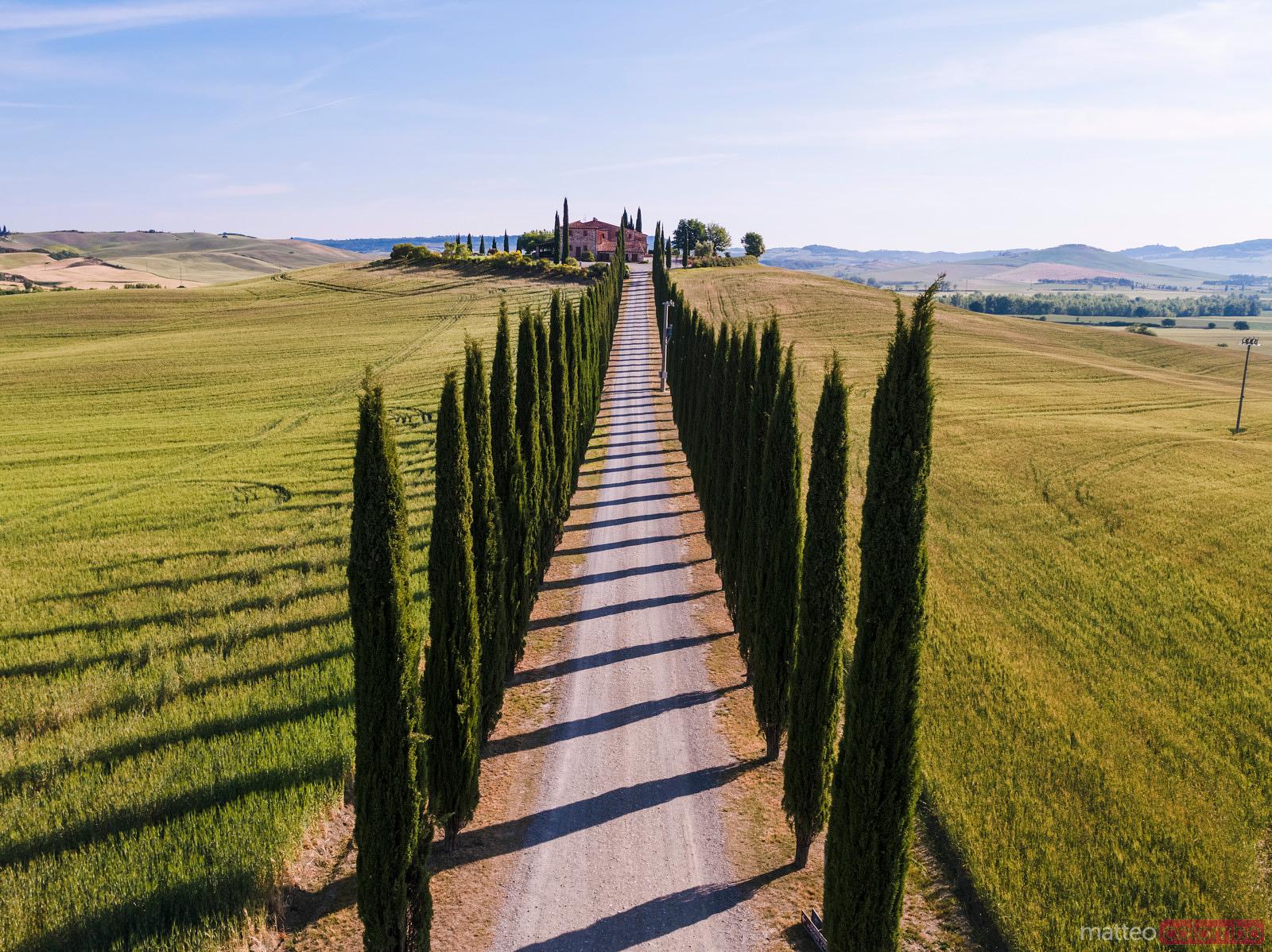
The valley has no ticket office, no turnstile and no closing time. Val d'Orcia is a UNESCO World Heritage cultural landscape covering a broad sweep of the Province of Siena, and the postcard views — the cypress avenue at Podere Baccoleno, the chapel of Vitaleta between San Quirico d'Orcia and Pienza, the clay crete stretching towards Asciano — are visible from public roads. Understanding how to get to val d'orcia from florence therefore has little to do with entry logistics and everything to do with geography, road surface and the hour of the day. What the reader is actually dealing with is a region, not a monument. The address given for the area, Val d'Orcia, 53023, Province of Siena, Tuscany, Italy, covers hill towns spread across dozens of kilometres: Pienza, Montalcino, Montepulciano, Radicofani, Bagno Vignoni with its stone thermal basin at the centre of the village. No single arrival point serves them all. A Florence to Val d'Orcia journey is really a chain of short hops between ridge towns, linked by the Via Cassia and by white gravel strade bianche that thread between wheat fields and vineyards. That structure explains why travellers who plan around one destination usually end up disappointed, and why those who plan around a loop rarely do. The context that makes the answer sensible is the clock. Because the landscape is permanently accessible, the constraint is not opening times but light and traffic. The morning window of 06:00–09:00 is the one figure worth building a plan around: low sun rakes across the ridges, coaches have not yet reached Pienza's car parks, and the narrow lanes below Monticchiello carry almost nothing. By midday in August the same roads carry rental cars three abreast at every scenic pull-off. Anyone arranging a Val d'Orcia tour from Florence should treat that early window as the fixed point and let everything else move around it. What to do with the answer is straightforward. Decide first whether the day is a driving day or a guided one, then work backwards from the 06:00–09:00 arrival to a departure time from Florence. The dedicated sections below cover routes, seasonal conditions, sequencing and costs in detail. Official regional information is published at https://www.valdorcia.it, and the practical planning of how to get to val d'orcia from florence begins with that single early decision about departure.
“The valley has no ticket office, no turnstile and no closing time — the only real constraint is the hour you arrive.”
Val d'Orcia is located in the Province of Siena, Tuscany, and is best accessed by private vehicle to navigate its rural landscape effectively. Public transport options are limited and do not provide direct access to the region's specific scenic viewpoints.
Firenze-Siena motorway to SR2
Regional train from Firenze Santa Maria Novella to Chiusi-Chianciano Terme
Autolinee Toscane regional bus routes from Siena station
The best arrival window is 06:00–09:00 for optimal morning light for photography and lower traffic on rural roads. Once in the region, expect to rely on your own transportation, as public transit does not serve the individual valley roads.
The best arrival window for your trip from Florence is 06:00–09:00, which provides optimal morning light for photography and lower traffic on rural roads. Planning your visit during the shoulder seasons ensures comfortable travel conditions.
Mild temperatures between 15°C and 22°C.
Fields are vibrant green and temperatures are ideal for driving the countryside.
Warm, often exceeding 30°C.
Expect bright sunshine and dry landscapes, though midday heat can be intense.
Pleasant temperatures between 16°C and 24°C.
The landscape turns golden, providing a distinct atmosphere for scenic photography.
Cooler temperatures, typically 5°C to 13°C.
The region is peaceful, though fog can occasionally obscure distant views.
Verdict: For the most balanced experience, aim to arrive between 06:00–09:00 during the months of April or October.
This plan suits first-time visitors arriving from Florence with their own vehicle and roughly nine hours in the region, from early arrival to late-afternoon departure. Total on-the-ground time is about eight hours of driving, walking and stops.
Aim to be on the rural roads inside the 06:00–09:00 window, when light is best for photography and traffic is lightest. Park in San Quirico d'Orcia and reset with coffee before moving.
Walk the walled centre for about an hour, taking in the Collegiata dei Santi Quirico e Giulitta and the Horti Leonini gardens. Everything sits within a ten-minute walk of the main gate.
Drive the SP146 towards Pienza with two short roadside stops: the Cappella della Madonna di Vitaleta and the Podere Belvedere viewpoint. Allow 45 minutes total; pull fully off the road, as verges are narrow.
Spend around 90 minutes on Piazza Pio II, the Duomo and the Via dell'Amore walkway along the southern walls. The whole centre is compact and flat, apart from one short ramp from the car park.
Break for 60–75 minutes. Booking ahead helps on weekends, when the small dining rooms in both villages fill quickly.
Walk the Piazza delle Sorgenti, the stone pool at the village centre, and the Parco dei Mulini below it. Around an hour, mostly level, with one stepped descent to the mill terraces.
Pick one hilltop town for a final hour: Montalcino for the Fortezza and wide western views, Radicofani for the fortress tower. Choose based on which direction you drive home.
Leave with daylight in hand, as the SR2 and the unpaved white roads are poorly lit after dusk. Fill the tank before leaving the valley; rural stations close early on Sundays.
Val d'Orcia is a public region in Tuscany, which means there are no entrance fees required to access the area. You can explore the landscape freely without needing a ticket.
Verdict: The entry fee is 0 EUR, as costs only apply to your personal travel arrangements when visiting this public region.
Val d'Orcia is a public region that remains accessible to visitors throughout the entire week. As it is a rural area, there are no gates or time restrictions on access.
Extending your journey from Florence allows you to explore surrounding locations that share the landscape and cultural heritage of the Val d'Orcia region. These destinations are situated within a practical driving distance for those basing themselves in or near the valley.
20 min drive
Known for its Renaissance urban planning, this town serves as a central hub within the valley and offers views of the surrounding countryside.
30 min drive
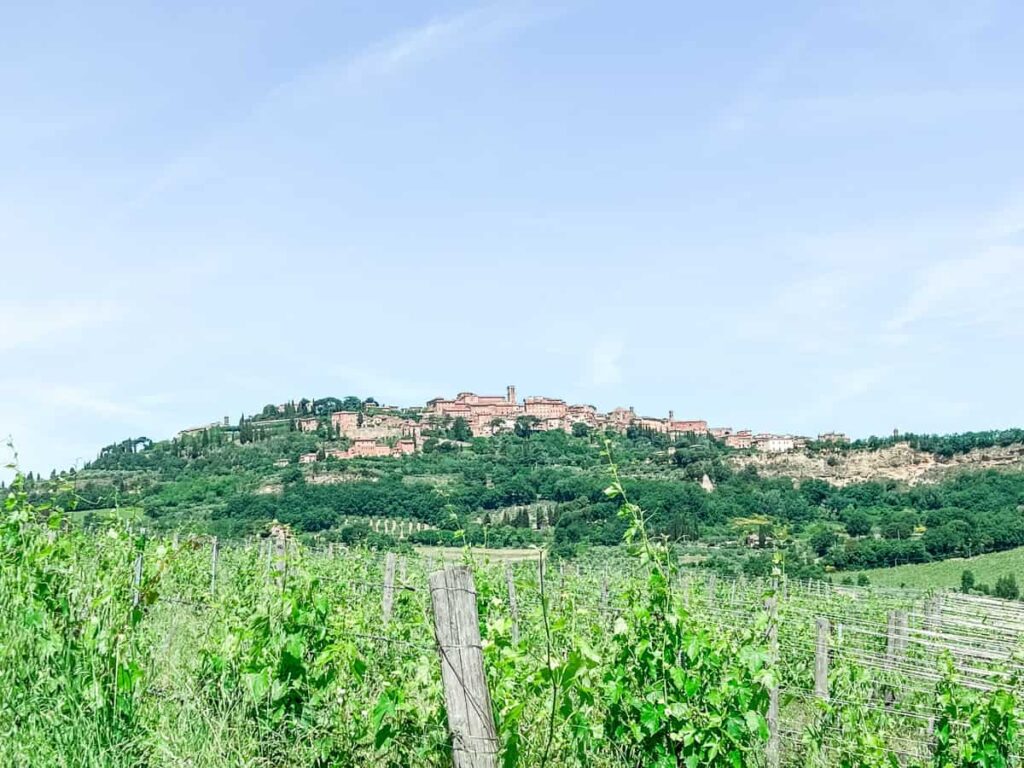
This hilltop town is recognized for its wine production and historic cellars located beneath the city streets.
40 min drive
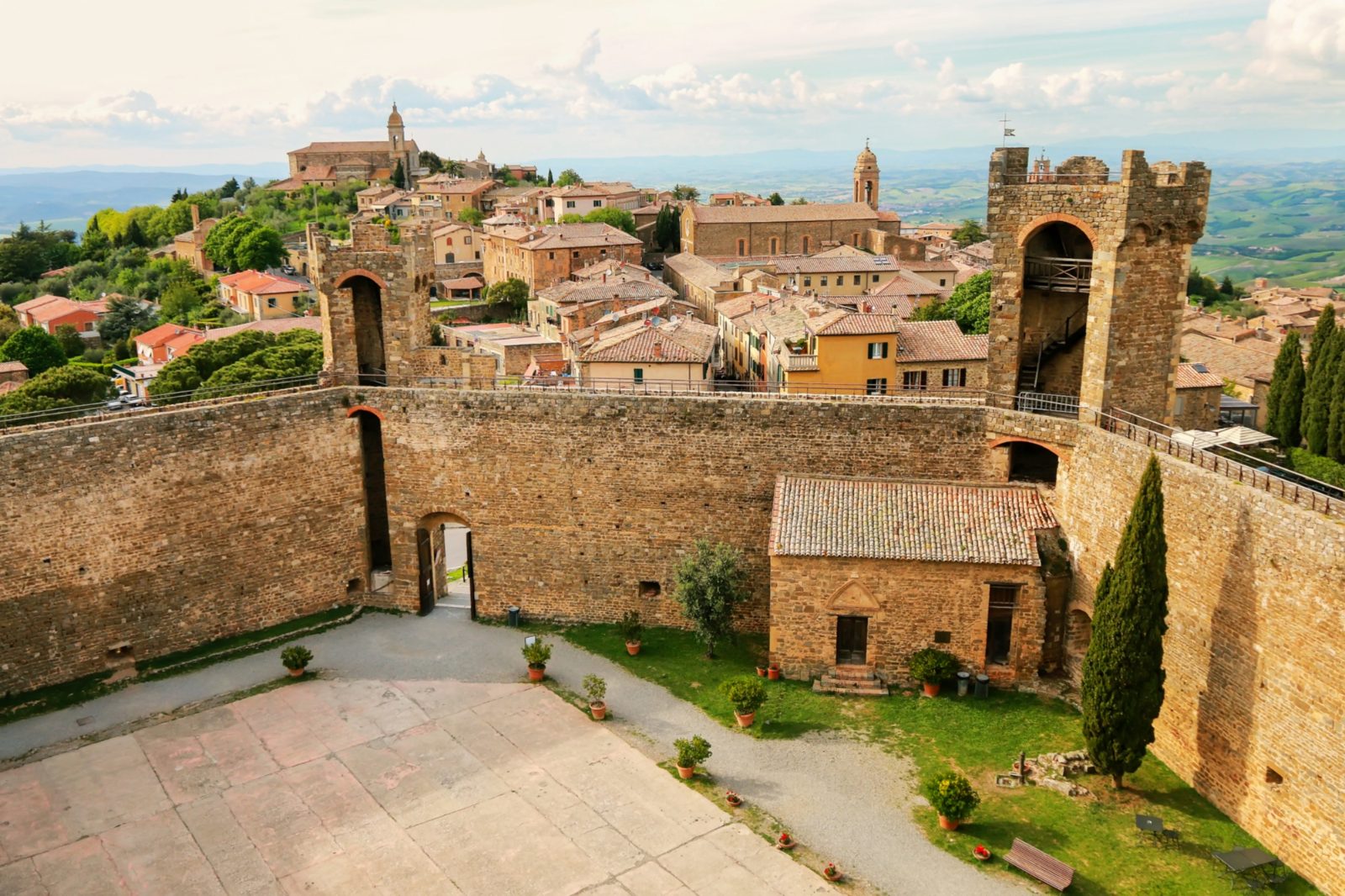
Located on a hill overlooking the Orcia and Ombrone valleys, this area is documented for its production of Brunello wine.
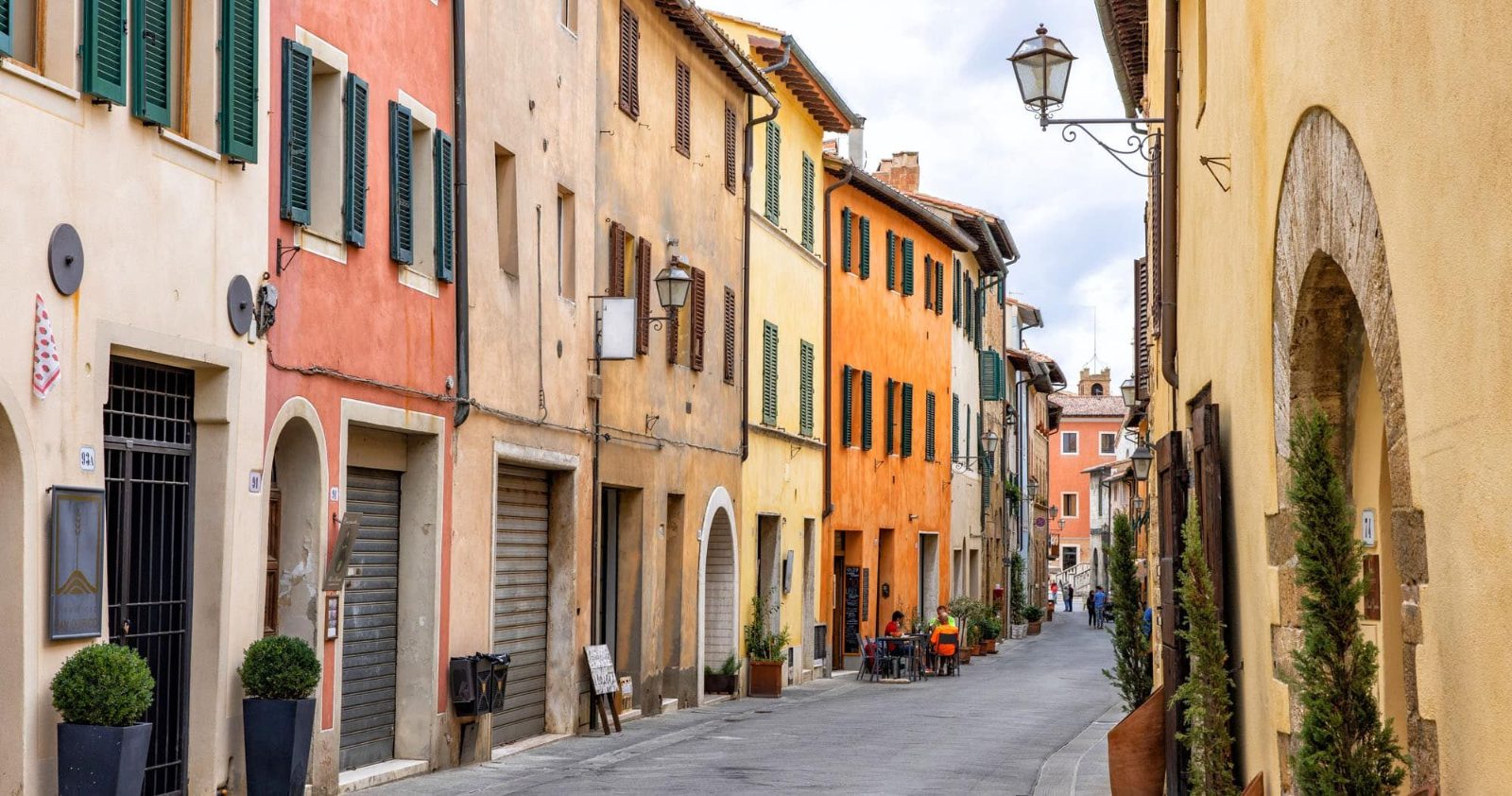
15 min drive
This village provides a quiet alternative for observing traditional Romanesque architecture and local garden layouts.
Everything you need to know about how to get to val d'orcia from florence
Driving is often the most flexible method to reach this UNESCO World Heritage site, typically taking about two hours via the SR2 highway. Renting a vehicle allows you to explore the rolling hills and rural landscapes at your own pace.
Most travelers find that renting a car provides the most freedom when considering how to get to val d'orcia from florence. While organized tours are available, a private vehicle ensures you can stop at viewpoints along the provincial roads.
Train travel is possible from Florence to Chiusi-Chianciano Terme, but you will still need a car or bus to reach the heart of the valley. Knowing how to get to val d'orcia from florence via rail requires careful coordination with local bus schedules, which can be limited.
There is no entrance fee required to enter the region as it is a public area. You are free to explore the scenic landscapes and villages without purchasing a ticket.
We recommend planning your arrival between 06:00 and 09:00 to take advantage of optimal morning light for photography. This window also helps you avoid peak traffic on narrow rural roads.
Yes, the region is well-mapped, and preparing for how to get to val d'orcia from florence with a GPS will help you navigate the winding cypress-lined lanes. Visitors are encouraged to prioritize main routes to ensure a smooth journey through the Tuscany countryside.
Public buses serve the larger towns like Pienza and San Quirico d'Orcia, though frequency varies significantly. It is best to check current regional transport timetables before you depart.
Val d'Orcia Small-Group Tours from Florence
Read more Tickets & toursPrivate Tours from Florence to Val d'Orcia
Read more GuideVal d'Orcia: What to See and Do
Read more Tickets & toursVal d'Orcia Day Trips from Florence
Read more Tickets & toursFlorence to Val d'Orcia Wine Tours
Read more